
What are the environmental impacts of different cosmetic lotion bottle materials?
Oct 30, 2026
Leave a message
Hey there! As a supplier of cosmetic lotion bottles, I've been thinking a lot about the environmental impacts of different bottle materials. It's not just about looking good on the shelf; it's about what happens to these bottles after we're done with them. Let's dive into the different materials and how they affect our planet.
1. Plastic Bottles
Plastic is one of the most common materials for cosmetic lotion bottles. It's lightweight, cheap to produce, and can be molded into all sorts of shapes. But here's the catch: plastic is a major environmental problem.
Most plastic bottles are made from polyethylene terephthalate (PET) or high - density polyethylene (HDPE). These plastics take hundreds of years to break down in the environment. When they do start to break down, they turn into microplastics, which can end up in our oceans, rivers, and even in the food we eat.
Another issue is that the production of plastic requires a significant amount of fossil fuels. Extracting and processing these fuels releases greenhouse gases, contributing to climate change. And let's not forget about the plastic waste that ends up in landfills. A lot of plastic bottles don't get recycled properly because the recycling process can be complex and expensive.
However, some plastic bottles are now made from recycled materials. These are a bit better for the environment as they reduce the demand for virgin plastic. But even with recycled plastic, there are still energy costs associated with the recycling process.
2. Glass Bottles
Now, let's talk about glass. Glass has some great environmental benefits. It's made from natural materials like sand, soda ash, and limestone. These materials are abundant and don't run out easily.
One of the biggest advantages of glass is that it's 100% recyclable. You can melt down a glass bottle and turn it into a new one over and over again without losing its quality. This reduces the need for new raw materials and saves energy in the production process.
Glass is also non - porous, which means it doesn't leach any chemicals into the lotion inside. This is great for the product's quality and safety. And it has a long lifespan, so it can be reused multiple times.
But glass also has its drawbacks. It's heavier than plastic, which means more energy is needed for transportation. And the production of glass requires high temperatures, which consumes a lot of energy.
If you're interested in glass bottles, we have some great options like the Sinbottle Customized Slightly Fat Round Bottom Frosted Lotion Bottle Thick Bottom Glass Skin Care Set Bottle, Glass White Oval Set Bottles, and Glass Cosmetic Pump Bottles And Jars.
3. Aluminum Bottles
Aluminum is another material used for cosmetic lotion bottles. Aluminum is highly recyclable. In fact, recycling aluminum uses only about 5% of the energy needed to produce new aluminum from bauxite ore. This makes it a very energy - efficient option.
Aluminum is also lightweight, which reduces transportation costs and energy consumption. It's resistant to corrosion, so it can protect the lotion inside well.
However, the extraction of bauxite, the raw material for aluminum, can have a significant environmental impact. Mining bauxite can lead to deforestation, soil erosion, and water pollution. And the refining process of bauxite to aluminum is energy - intensive.
4. Biodegradable and Compostable Materials
In recent years, there has been a growing interest in biodegradable and compostable materials for cosmetic bottles. These materials are made from natural substances like plant starches, cellulose, or polylactic acid (PLA).
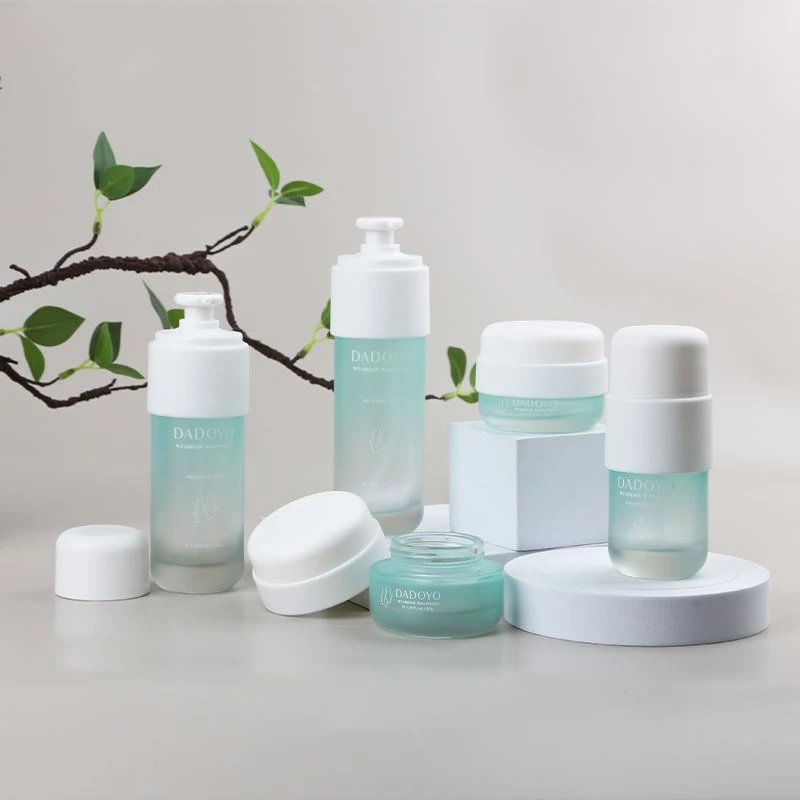

Biodegradable materials break down naturally in the environment over time, reducing the amount of waste in landfills. Compostable materials can even be turned into nutrient - rich compost, which can be used in gardening.
But there are some challenges with these materials. They often have a shorter shelf - life compared to traditional materials. And the composting process requires specific conditions, such as the right temperature and humidity. If these conditions aren't met, the materials may not break down properly.
Making the Right Choice
As a cosmetic lotion bottle supplier, I understand that choosing the right material is a balance between environmental impact, cost, and product requirements. If you're looking for a long - lasting, high - quality option with great recyclability, glass might be the way to go. But if you need a lightweight and cost - effective solution, plastic or aluminum could be better.
If you're interested in reducing your environmental footprint, consider using recycled materials or biodegradable options. And remember, proper recycling and waste management are crucial no matter what material you choose.
If you're in the market for cosmetic lotion bottles and want to discuss the best options for your product, feel free to reach out. We can help you find the perfect bottle that meets your needs while being kind to the environment.
References
- EPA. (2023). Plastic Pollution.
- Glass Packaging Institute. (2023). The Environmental Benefits of Glass.
- Aluminum Association. (2023). Aluminum Recycling.
Send Inquiry