
How do I ensure the compatibility of a cosmetic with a pump bottle?
Oct 29, 2026
Leave a message
As a supplier of Cosmetic Pump Bottles, I often get asked about how to ensure the compatibility of a cosmetic with a pump bottle. It's a crucial question because using an incompatible bottle can lead to product degradation, leakage, or even a poor user experience. In this blog, I'll share some tips and insights on how to make sure your cosmetic and pump bottle are a perfect match.
Understanding the Basics of Compatibility
First things first, let's talk about what we mean by compatibility. When we say a cosmetic is compatible with a pump bottle, we're referring to how well the two work together without causing any negative effects. This includes things like chemical reactions, changes in the product's consistency, or damage to the bottle itself.
The main factors that can affect compatibility are the chemical composition of the cosmetic and the materials used to make the pump bottle. Different cosmetics have different ingredients, and some of these ingredients can react with certain materials. For example, some chemicals in cosmetics can corrode plastic or cause rubber components in the pump to degrade.
Analyzing the Cosmetic's Chemical Composition
The first step in ensuring compatibility is to understand the chemical makeup of your cosmetic. This means looking at the ingredients list and identifying any potentially reactive substances. Some common ingredients that can cause compatibility issues include:
- Alcohols: Many cosmetics contain alcohols, which can be corrosive to certain plastics. If your cosmetic has a high alcohol content, you'll need to choose a pump bottle made from a material that can withstand it.
- Acids and Bases: Cosmetics with acidic or basic pH levels can also react with some materials. For example, strong acids can eat away at metal components in the pump.
- Solvents: Some solvents used in cosmetics can dissolve or damage certain plastics. It's important to know what solvents are in your product and choose a bottle that is resistant to them.
Once you have a good understanding of the chemical composition of your cosmetic, you can start looking for a pump bottle that is compatible.
Choosing the Right Materials for the Pump Bottle
The materials used to make the pump bottle play a crucial role in compatibility. Here are some common materials and their properties:
- Plastic: Plastic is a popular choice for pump bottles because it's lightweight, durable, and cost-effective. However, not all plastics are created equal. Some plastics are more resistant to chemicals than others. For example, polyethylene terephthalate (PET) is a common plastic used in cosmetic bottles because it's relatively resistant to many chemicals. But if your cosmetic contains strong solvents or acids, you may need to choose a different plastic, such as high-density polyethylene (HDPE) or polypropylene (PP).
- Glass: Glass is another option for pump bottles. It's inert, which means it doesn't react with most chemicals. This makes it a great choice for cosmetics with reactive ingredients. However, glass is heavier and more fragile than plastic, so it may not be the best option for all applications.
- Metal: Metal components are often used in pump mechanisms. Stainless steel is a popular choice because it's corrosion-resistant. However, some metals can react with certain chemicals in cosmetics, so it's important to choose the right metal for your product.
Testing for Compatibility
Once you've chosen a pump bottle based on the chemical composition of your cosmetic and the materials used, it's important to test for compatibility. This can be done through a simple compatibility test. Here's how:
- Prepare samples: Take a small amount of your cosmetic and place it in the pump bottle. Make sure the bottle is clean and dry before adding the product.
- Seal the bottle: Close the pump bottle tightly and let it sit for a period of time. This could be a few days or even a few weeks, depending on the product.
- Check for changes: After the testing period, check the cosmetic for any changes in color, consistency, or odor. Also, check the pump bottle for any signs of damage, such as corrosion or leakage.
- Repeat the test: If you notice any changes, try a different pump bottle or make adjustments to the cosmetic formulation. Repeat the test until you find a compatible combination.
Considering the Design of the Pump Bottle
In addition to the materials, the design of the pump bottle can also affect compatibility. Here are some design factors to consider:
- Pump mechanism: The pump mechanism should be able to dispense the cosmetic smoothly and evenly. If the pump is too tight or too loose, it can affect the performance of the product.
- Bottle shape and size: The shape and size of the bottle can also affect compatibility. For example, a narrow bottle may be more difficult to clean and may not be suitable for some cosmetics.
- Closure type: The closure type, such as a cap or a pump head, should be secure and easy to use. A loose closure can lead to leakage and product contamination.
Our Product Recommendations
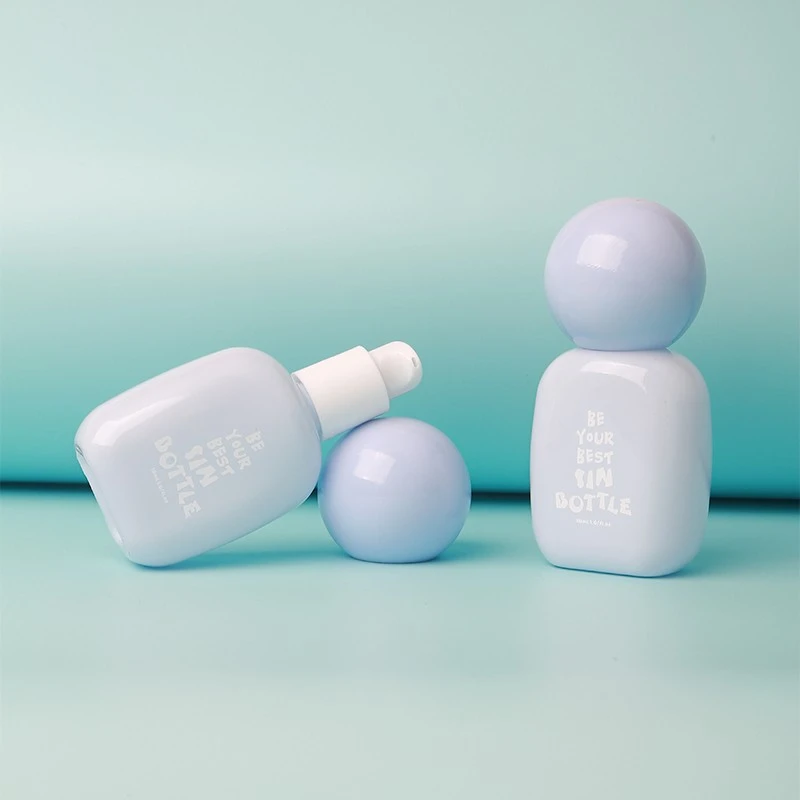
At our company, we offer a wide range of Cosmetic Pump Bottles that are designed to be compatible with a variety of cosmetics. Here are some of our popular products:
- Liquid Foundation Bottle With Mirror: This bottle is perfect for liquid foundations. It comes with a mirror, which makes it convenient for on-the-go touch-ups.
- Custom 30ml Glass Lotion Pump Bottle With Round Cap Private Label: If you're looking for a high-quality glass bottle for your lotion, this is a great option. It can be customized with your own label.
- Cosmetic Glass Lotion Bottles With Cap: These glass bottles are ideal for lotions and other liquid cosmetics. They come with a cap to keep the product fresh.
Conclusion
Ensuring the compatibility of a cosmetic with a pump bottle is essential for the quality and performance of your product. By understanding the chemical composition of your cosmetic, choosing the right materials for the pump bottle, testing for compatibility, and considering the design of the bottle, you can find a perfect match. If you have any questions or need help choosing the right pump bottle for your cosmetic, don't hesitate to contact us. We're here to help you make the best decision for your business.

References
- Cosmetic Packaging: Principles and Practice, Second Edition, by Charles S. Cox
- Handbook of Cosmetic Science and Technology, Third Edition, edited by Albert M. Kligman, Howard I. Maibach
Send Inquiry