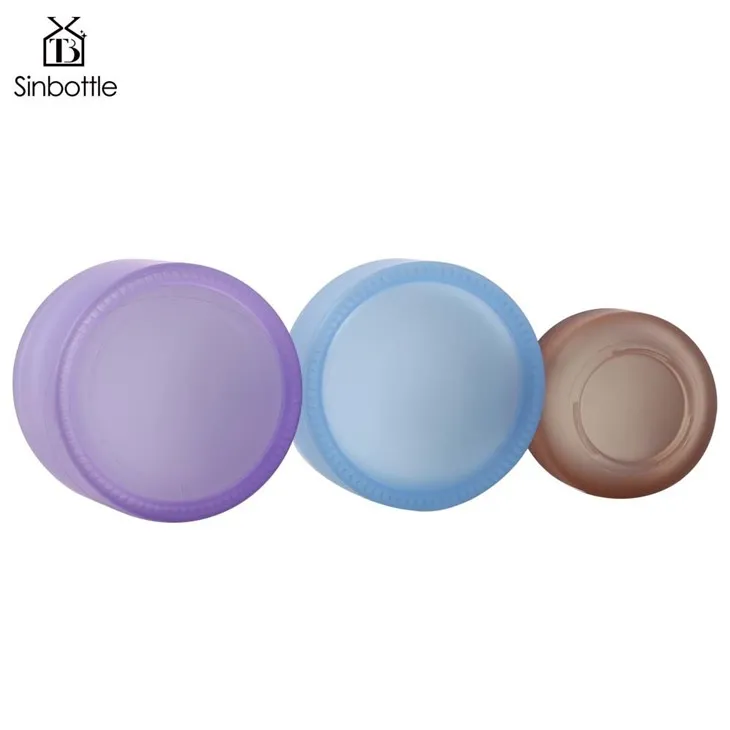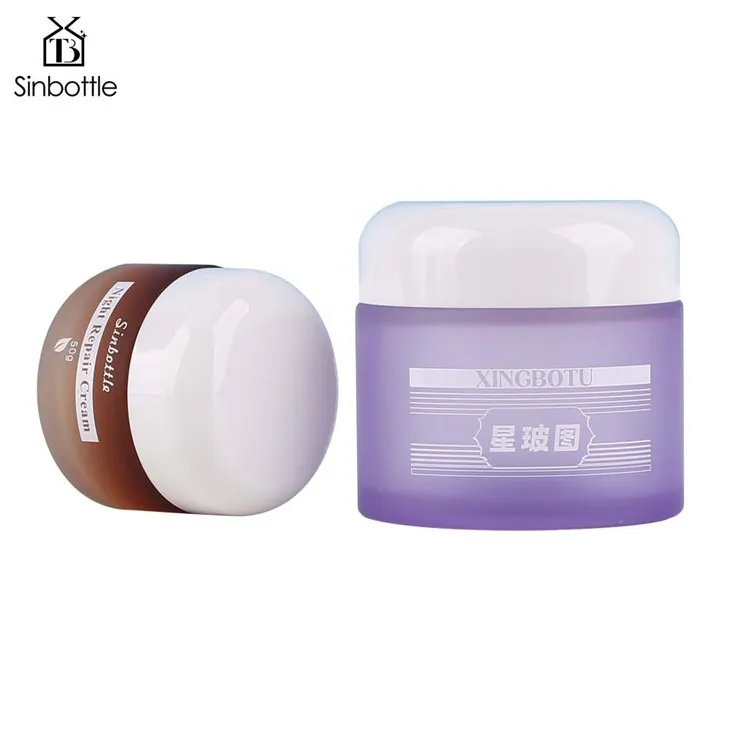
What is CRC Jars


Child Resistant Caps, also known as CRC (Child Resistant Cap) bottles, are essential packaging for medicines. Safe for families with children, especially babies who can't tell the difference. If the bottle is opened, the child may ingest the tablet by mistake.

First 123 Last
Advantages of CRC Jars
 

Child Safety
The primary purpose of CRC caps is to protect children. Syrups, especially those that are sweet and colorful, can be very appealing to kids. By using CRC caps, manufacturers can significantly reduce the risk of accidental ingestion.


Quality Assurance
CRC caps often come with tamper-evident features, ensuring that the product has not been opened or altered before it reaches the consumer. This adds an extra layer of trust for customers, knowing that they are purchasing a safe and intact product.


Convenience for Adults
While CRC caps are designed to be child-resistant, they are also user-friendly for adults. Most CRC caps can be opened with a simple press-and-turn motion, making them convenient for parents and caregivers.


Regulatory Compliance
Many countries have regulations in place that require child-resistant packaging for certain products, including food items. Using CRC caps helps manufacturers comply with these regulations, avoiding potential legal issues and ensuring consumer safety.


Brand Reputation
Companies that prioritize safety in their packaging can enhance their brand reputation. Consumers are more likely to trust and choose brands that demonstrate a commitment to protecting their families.


Types of CRC Jars
Cosmetic Glass Bottle Set Cream Jar With Hand-Pull Pad Toner Glass Container Large Capacity Lotion Bottle
The Same Thick Bottom Translucent Black Oval Glass Jar As In The Mall
Glass Jar With Lid Set Packaging Skin Care Containers Face Cream Jars

Push-and-Turn Cap
A push-and-turn child-resistant cap is a type of cap that is designed to prevent children from accessing potentially harmful contents of a container. These caps typically have two steps that must be taken in order to open them, which makes them more difficult for children to open but still manageable for adults. The first step involves pushing down on the cap while turning it in a specific direction, typically counterclockwise. This can be difficult for children because it requires a certain amount of dexterity and strength to apply the necessary force while turning the cap. The second step involves continuing to turn the cap in the same direction until it clicks or otherwise indicates that it is fully opened. This step is designed to prevent accidental opening if the cap is only partially turned. Push-and-turn child-resistant caps are commonly used on containers for medications, household cleaners, and other potentially hazardous substances. They are an important safety feature that can help prevent accidental ingestion or exposure, particularly in households with young children.


Squeeze-and-Turn Cap
A squeeze-and-turn child-resistant cap is a type of cap designed to prevent children from accessing potentially harmful contents of a container. These caps require two actions to open, which makes them more difficult for children to open but still manageable for adults. The first action involves squeezing the sides of the cap, which compresses a spring mechanism and releases the locking mechanism. This can be difficult for children because it requires a certain amount of dexterity and strength to apply enough pressure to compress the spring. The second action involves turning the cap in a specific direction, typically counterclockwise, to open the container. This step is designed to prevent accidental opening if the cap is only partially squeezed. Squeeze-and-turn child-resistant caps are commonly used on containers for medications, household cleaners, and other potentially hazardous substances. They are an important safety feature that can help prevent accidental ingestion or exposure, particularly in households with young children.


Twist and Open Blister Packs
Twist-and-open child-resistant blister packs are a type of packaging used for medication and other small items that are designed to be difficult for children to open, while still being manageable for adults. These blister packs are made up of a plastic sheet with individual pockets or cavities that hold the medication or small items. The cavities are covered with a foil or plastic backing that is sealed with a child-resistant twist mechanism. To open the blister pack, the user must first locate the designated twist area, which is typically indicated with an arrow or other marking. They must then use their thumb and forefinger to twist the two halves of the package in opposite directions, causing the seal to break and the blister cavity to open. The twist-and-open child-resistant blister packs are designed to be a safer alternative to traditional pill bottles, which can be easier for children to open. They are also more convenient for storing and carrying medication, as the individual blister cavities can be easily separated and transported. These blister packs are commonly used for over-the-counter and prescription medications, as well as vitamins and other supplements.


Snap-Lock Cap
A snap-lock child-resistant cap is a type of cap that is designed to prevent children from accessing potentially harmful contents of a container. These caps typically have a locking mechanism that requires two actions to open, which makes them more difficult for children to open but still manageable for adults. To open a snap-lock child-resistant cap, the user must first push down on the cap while simultaneously turning it in a specific direction, typically counterclockwise. This action releases the locking mechanism and allows the cap to be lifted up. The locking mechanism in a snap-lock child-resistant cap typically involves a series of interlocking ridges or teeth that must be aligned and released in order to open the cap. This makes it difficult for children to open the cap, as they may lack the strength or dexterity to apply the necessary force and manipulate the locking mechanism. Snap-lock child-resistant caps are commonly used on containers for medications, household cleaners, and other potentially hazardous substances. They are an important safety feature that can help prevent accidental ingestion or exposure, particularly in households with young children.


Child-Resistant Pouches
Child-resistant pouches are a type of packaging designed to prevent children from accessing potentially harmful items or substances. These pouches are typically made of a combination of plastic and foil materials, and feature a child-resistant locking mechanism. The locking mechanism in child-resistant pouches typically involves a series of interlocking ridges or teeth that must be aligned and released in order to open the pouch. This makes it difficult for children to open the pouch, as they may lack the strength or dexterity to apply the necessary force and manipulate the locking mechanism. Child-resistant pouches are commonly used for a variety of items, including medications, laundry detergent pods, and other household chemicals. They are an important safety feature that can help prevent accidental ingestion or exposure, particularly in households with young children. It's important to note that child-resistant packaging is not foolproof and should not be relied upon as the sole means of keeping children safe. Parents and caregivers should always take additional steps to keep potentially harmful items out of reach of children, such as storing them in a locked cabinet or drawer.


Types of CRC Jars Material


●High Density Polyethylene (HDPE)
HDPE is a thermoplastic polymer that is traditionally made from oil or natural gas. HDPE is one of the most versatile plastics and is used in a variety of applications, like plastic beverage bottles, plastic piping, and of course, plastic bottles for packaging pharmaceutical, nutraceutical, and lifestyle products. HDPE resin is translucent in its natural state; colorants are added during the bottle manufacturing process to change the color.
Bottles made with HDPE resin:


Clarity: Are translucent and allow some light to pass through, but can achieve light block by adding colorant.


Moisture Barrier: Have low permeability, meaning it is very effective in protecting products that are sensitive to moisture.


Oxygen Barrier: Oxygen passes through easily, making it less effective in protecting products that are sensitive to oxygen.


Rigidity: Moderate at retaining its shape under pressure.


Impact Resistance: Excellent at avoiding dents and bruises.


Heat Resistance: Good at withstanding heat up to 145 degrees F.


Cold Resistance: Excellent at tolerating cold as low as -50 degrees F.


Resistance to Sunlight: Fair at resisting breakdown from UV light.


Because of these characteristics, HDPE bottles are well-suited for many types of solid dose and liquid medications, vitamin capsules, gel caps, and lifestyle oils, tinctures, gummies, and more.


Low Density Polyethylene (LDPE)
Like traditional HDPE, LDPE is also made from oil and natural gas. Any product that needs to be dispensed by squeezing the bottle is a good candidate for LDPE. Products like lotions, gels, and ophthalmic solutions work well inside LDPE bottles. Although there is very little difference in density between HDPE and LDPE, LDPE has considerably less strength when compared to HDPE.
Bottles made with LDPE resin:


Clarity: Are translucent and allow some light to pass through, but can achieve light block by adding colorant.


Moisture Barrier: Have moderate permeability, meaning it is effective in protecting products that are sensitive to moisture.


Oxygen Barrier: Oxygen passes through easily, making it less effective in protecting products that are sensitive to oxygen.


Rigidity: Low at retaining its shape under pressure, meaning it is easy to squeeze.


Impact Resistance: Excellent at avoiding dents and bruises.


Heat Resistance: Fair at withstanding heat up to 120 degrees F.


Cold Resistance: Excellent at tolerating cold as low as -94 degrees F.


Resistance to Sunlight: Fair at resisting breakdown from UV light.


Polyethylene Terephthalate (PET)
PET is part of the polyester family, and is known as the most common thermoplastic polymer resin. PET is commonly used to package liquid dose medications, like cough syrup, as well as vitamins and supplements. It is also a popular choice for lifestyle products in large part because PET can be made in a variety of colors while maintaining its transparent appearance.
Bottles made with PET resin:


Clarity: Are clear and allow light to pass through, but can achieve light block by adding colorant.


Moisture Barrier: Have high permeability, meaning it is less effective in protecting products that are sensitive to moisture.


Oxygen Barrier: Oxygen does not pass through easily, making it a very effective barrier in protecting products that are sensitive to oxygen.


Rigidity: High at retaining its shape under pressure.


Impact Resistance: Excellent at avoiding dents and bruises.


Heat Resistance: Fair at withstanding heat up to 120 degrees F.


Cold Resistance: Good at tolerating cold as low as -40 degrees F.


Resistance to Sunlight: Good at resisting breakdown from UV light.


●Polypropylene (PP)
Polypropylene is a type of plastic that is known for its semi-crystalline nature. It is a great choice for solid dose prescription and over-the-counter medications, creams and ointments, and powdered supplements. We use PP to manufacture our closures as well.
Bottles made with PP resin:


Clarity: Are translucent and allow some light to pass through, but can achieve light block by adding colorant.


Moisture Barrier: Have low permeability, meaning it is very effective at protecting products that are sensitive to moisture.


Oxygen Barrier: Oxygen passes through easily, making it less effective in protecting products that are sensitive to oxygen.


Rigidity: High at retaining its shape under pressure.


Impact Resistance: Good at avoiding dents and bruises.


Heat Resistance: Good at withstanding heat up to 165 degrees F.


Cold Resistance: Fair at tolerating cold as low as 30 degrees F.


Resistance to Sunlight: Fair at resisting breakdown from UV light.


Our Factory


Sinbottle Glass founded in 2008 and located in Guangzhou,China, an international city.lt is a physical supplier focusing onthe production and process of cosmetics and skin care packag-ing bottles.lt integrates development, production and sales.Our main products include customized essential oil bottles,cream bottles,lotion bottles, vacuum bottles and other cosmet.ics and skincare products.


Our company has 15 years of experience in the packaging industry and is strong and powerful. The total area of the the company is 10000 square meters, with more than 70 employees, andour factory are equipped with advanced production equipment.including 12 fully automatic screen printing machines, 14semi-automatic screen printing machines, 14 hot stamping ma-chines,1 spraying line,1 ultrasonic bottle washing line, etc. We can open molds and produce according to the customer's styles.and provide desigsn, spraying,screen printing, hot stamping, electroplating, frosted, 3D printing, etc. We can provide aone-stop service for you.Not only that, our company already hasadvantages in the packaging industry, with products sold bothdomestically and internationally. We have established a com-plete customer system through long-term cooperation with nu-merous well-known brands. Our company cooperates with largeand small companies at home and abroad, including: Shuiyang, Doctor Li, YingFei(Hangzhou), Aisijie, Ma Yinglong, Jealous-ness (Taiwan), nomel(Taiwan), CERITA (lran), Ferris WheelPress(Canada), Kyndly (indonesia), SWATI SECRETS (Africa Es-watini).


In the 15 years since our company was founded, our companyhas always adhered to the principle of quality first and unwaver.ingly implemented the policy of "high-quality products are ourconstant pursuit".We warmly serve domestic and foreign cus-tomers.in the future development, our company will continue tofocus on industry development, providing customers with com-plete one-stop services with efficiency, quality, and productioncapacity,and production capacity, striving for excellence, andadvancing together with customers.

productcate-600-450
productcate-600-450
productcate-511-511
productcate-600-450
productcate-600-450
productcate-600-450


Frequently Asked Questions
 

Q: What testing do CRC jars undergo to ensure child safety?

A: CRC jars must pass rigorous safety tests to comply with regulatory standards. These tests typically involve having children between the ages of 42-51 months attempt to open the jars within a set period of time. If a specified percentage of children are unable to open the jar, it passes the child-resistance test. Additionally, adult usability tests are conducted to ensure that adults can still open the jar easily.

Q: How do CRC jars work?

A: CRC jars usually incorporate a two-step opening process. A common mechanism involves pushing down on the lid while simultaneously twisting to open it. This combination of actions makes it difficult for young children to open the jars, but relatively easy for adults.

Q: Are CRC jars compliant with regulations?

A: CRC jars are designed to meet strict regulatory standards, such as those set by the Consumer Product Safety Commission (CPSC) in the United States. These regulations require child-resistant packaging for certain substances, including prescription drugs, over-the-counter medications, and cannabis products in states where cannabis is legal.

Q: What materials are CRC jars made of?

A: Most CRC jars are made from durable materials such as high-quality plastic or glass. These materials are selected for their ability to maintain the integrity of the stored contents, protect them from moisture, light, and air, and offer a tamper-evident solution.

Q: Can CRC jars be used for food storage?

A: While CRC jars are primarily designed for child-resistant storage of regulated products, some versions can be used for food storage, especially if they meet food-safe standards. However, it's important to verify whether the jar is labeled as safe for food use before storing food in it.

Q: What sizes do CRC jars come in?

A: CRC jars come in a variety of sizes to accommodate different needs. They range from small containers holding just a few grams or milliliters to larger jars capable of storing up to several ounces. The size you choose will depend on the quantity of the product you need to store.

Q: How long do CRC jars last?

A: The lifespan of CRC jars depends on the material used and the conditions in which they are stored. High-quality plastic or glass jars can last for years, provided they are used and maintained properly. Regular inspection for wear and tear is recommended to ensure that the child-resistant mechanism remains functional.

Q: Are CRC jars reusable?

A: Yes, many CRC jars are designed to be reusable. After the initial product is consumed, they can be cleaned and used again for storing similar items. However, always check the manufacturer's guidelines to ensure the jar's mechanism remains effective over time.

Q: Can CRC jars be recycled?

A: Most plastic and glass CRC jars are recyclable, but recycling options may vary depending on your location. It's important to check the recycling codes and local recycling policies to ensure proper disposal.

Q: What industries use CRC jars?

A: CRC jars are widely used in several industries, including pharmaceuticals, cannabis, and nutraceuticals. These industries require child-resistant packaging for products that could be harmful if ingested by children. In some regions, the use of CRC jars is mandated by law.

Q: How do I know if my CRC jar is functioning properly?

A: To ensure that your CRC jar is functioning properly, regularly test the child-resistant mechanism by attempting to open the jar according to the instructions. If the mechanism feels loose or no longer requires the intended two-step process, it may be time to replace the jar.

Q: Are there any alternatives to CRC jars?

A: Yes, there are other child-resistant packaging options, such as blister packs, pouches, and cartons with child-resistant closures. However, CRC jars are particularly popular due to their durability, reusability, and effectiveness.

Q: Where can I buy CRC jars?

A: CRC jars can be purchased from a variety of suppliers, both online and in stores. Specialized packaging suppliers, medical supply stores, and dispensaries often carry them. When purchasing CRC jars, ensure they meet the necessary regulatory standards for child-resistant packaging.

Q: Are CRC jars airtight and odor-proof?

A: Many CRC jars are designed to be airtight and odor-proof, which helps preserve the freshness of the contents and contains any strong smells. However, it's essential to verify these features, as not all CRC jars may have these additional properties.

Q: Can older adults have difficulty using CRC jars?

A: Some older adults or individuals with arthritis may find it challenging to open CRC jars due to the strength required for the push-and-twist mechanism. In such cases, alternative packaging options may be considered, or there may be specialized tools available to assist with opening CRC jars.

Q: Can CRC jars protect products from environmental factors like light, air, and moisture?

A: Yes, many CRC jars are designed with protective features to shield products from light, air, and moisture. This helps to preserve the potency, freshness, and shelf life of sensitive products such as cannabis, pharmaceuticals, or supplements. Some CRC jars come with UV-blocking coatings or airtight seals to further enhance protection.

Guangdong Sinbottle Packaging Products Co., Ltd. is one of the most professional crc jar manufacturers and suppliers in China, specialized in providing custom made glass products. We warmly welcome you to wholesale high quality crc jar for sale here from our factory. For price consultation, contact us.

CR Glass Concentrate Container, Square Polystyrene Concentrate Container, Recycled Glass Cosmetic Packaging Bottles

Send Inquiry