

The Role of Glass Packaging in Extending the Shelf Life of Active Cosmetic Ingredients
May 19, 2026
Leave a message
Alright, let me tell you something I've learned the hard way over the years: if you're making skincare with actives like vitamin C or retinol, your bottle isn't just packaging - it's part of the formula.
I've seen too many brands pour months into perfecting a serum, only to watch it go bad in three months because they picked the wrong plastic bottle. Plastic leaches weird stuff, lets oxygen and light in, and even absorbs the oils and scents from your product. Glass? It's inert. It doesn't mess with your formula at all.
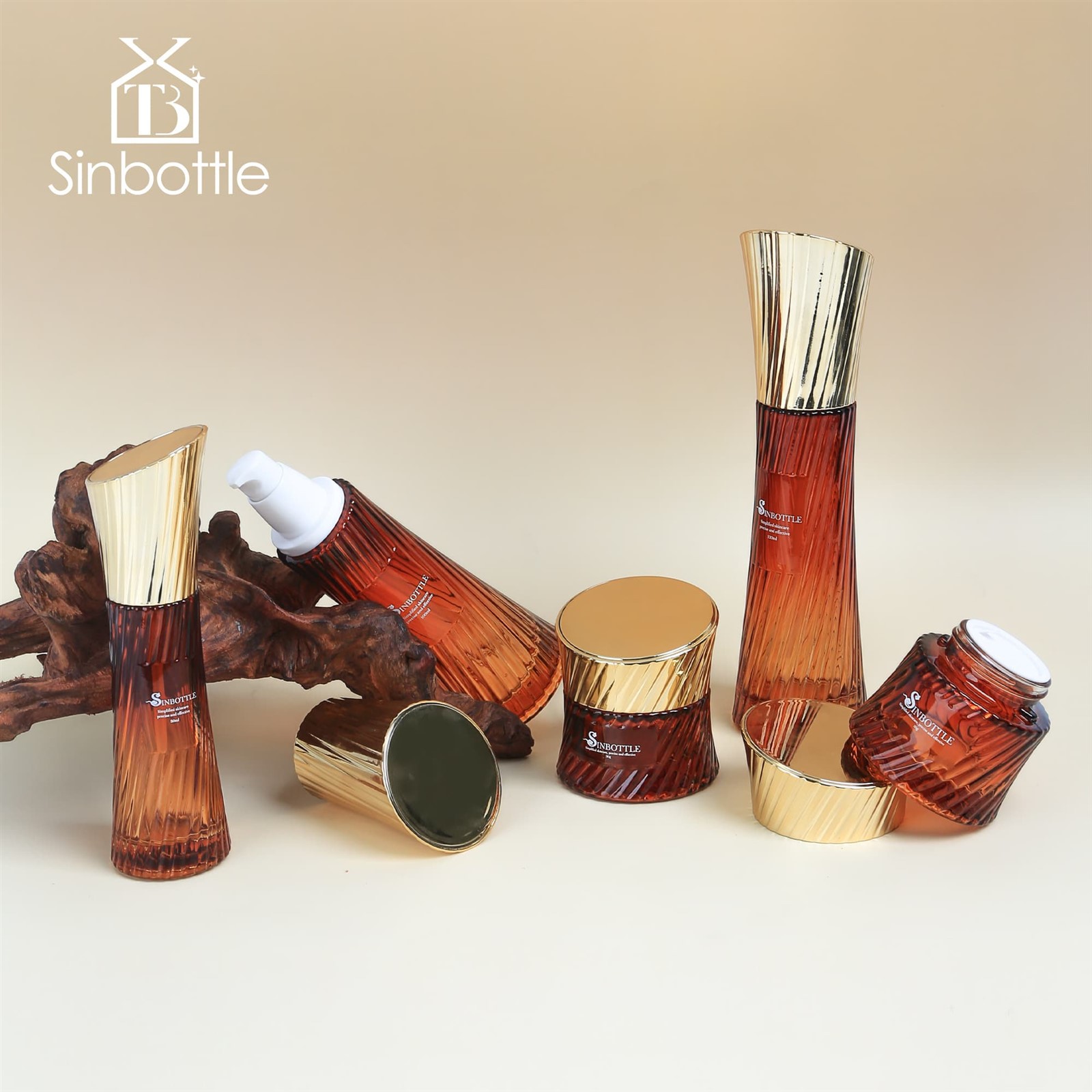
I work with three main types of glass for these sensitive formulas, each for different needs. Soda-lime glass is the standard - it's tough, doesn't react with acidic or alkaline ingredients, and it's what most cosmetic bottles use. If your product is light-sensitive, amber or cobalt-tinted glass is non-negotiable. I've had clients skip this once, and their entire batch of vitamin C serum turned brown before customers even opened them. Tinted glass blocks almost all UV light, so your actives stay stable. For high-concentration serums or ampoules, we use borosilicate glass. It's extra stable, even if the temperature swings, so it's perfect for those luxury lines where every detail matters.
The non-porous part of glass is a game-changer, too. It keeps oxygen out, so your retinol or vitamin C doesn't oxidize and lose its punch. Unlike plastic, glass doesn't absorb anything from the product, so the scent and texture stay exactly as you made them.
At the end of the day, customers care about results. If your serum goes bad halfway through the bottle, they're not coming back. That's why every premium skincare brand I work with swears by glass - it's the only way to make sure your product works as promised, every single time.
Send Inquiry