

Common types of glass vials
Jan 10, 2022
Leave a message
Common types of glass vials
Glass examples.
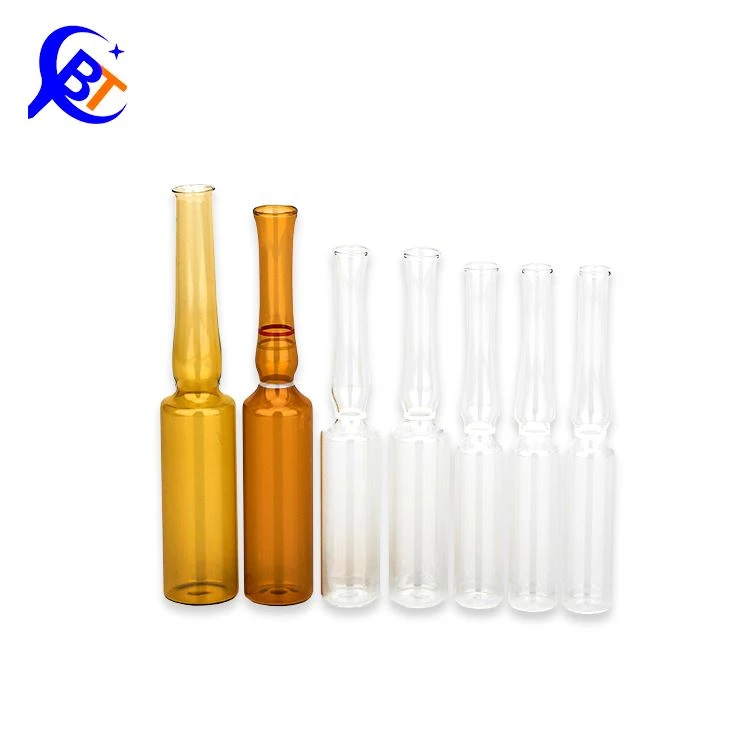
Ampoules, small glass containers for liquid medicines. The bottle is fired with a high-quality thin glass tube, the top is sealed with an open flame to isolate the air, and the bottle's body is sealed as a whole. When the medicine in the bottle is taken, the bottle neck is directly broken, but the wrong operation may cause the bottle to be broken when opening, contaminating the medicine, and the fracture is sharp and easy to hurt people.
Ampoules are widely used to hold injection preparations and high-purity chemicals that must be isolated from the air, such as drugs for injection, vaccines and serum, etc., and are also used to hold liquid cosmetics, called ampoules.
Glass vials.
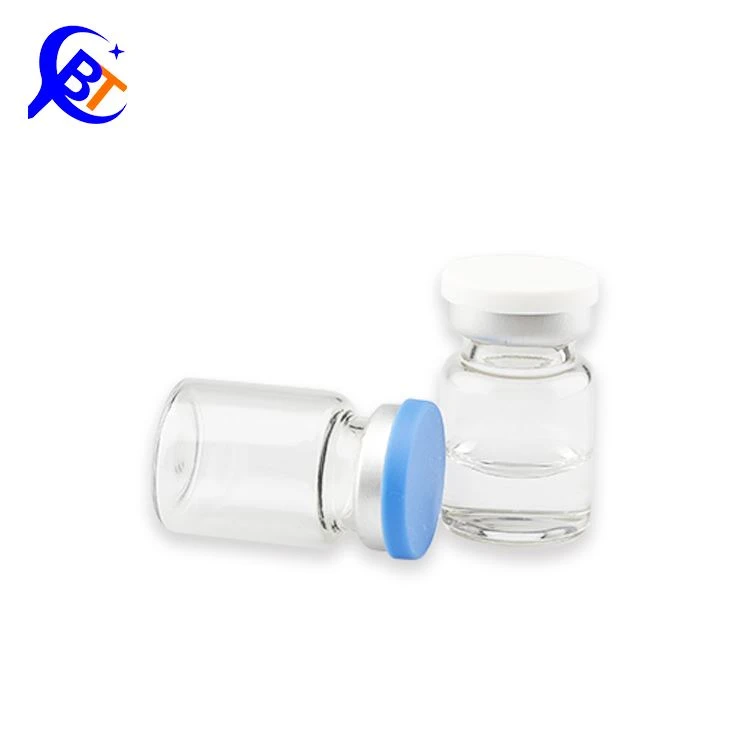
Vial vials, that is, glass bottles commonly used for vaccine packaging, are sealed with rubber stoppers, sealed with top aluminum caps, and have a thin neck. The difference between vials and ampoules is that the bottle mouth is sealed with a rubber stopper, and the bottle body wall is thick as a whole. When used, it is directly pierced with a needle to extract, which is not easy to hurt people, and it is not easy to be exposed to cause secondary pollution.
The vial is named after the drug penicillin (penicillin) that was originally contained, and is now generally used to contain injections, oral liquids, etc. In terms of production process, vials are usually molded or controlled. Molded vials are generally made of soda-lime glass, which has weak physical and chemical stability, relatively simple production process and high output, and is mostly used for veterinary drugs. Controlled vials are generally made of borosilicate glass, commonly low borosilicate glass and medium borosilicate glass. Because of their better physical and chemical properties, medium borosilicate glass is the preferred material for vaccine vials. The functions of vials and ampoules are complementary.
Send Inquiry