

What is the difference between airless and non - airless cosmetic bottles?
Oct 29, 2025
Leave a message
When it comes to packaging cosmetics, the choice of bottle plays a crucial role in preserving the product's quality, ensuring its efficacy, and enhancing the overall user experience. Among the various types of cosmetic bottles available in the market, airless and non - airless bottles stand out as two distinct options, each with its own set of features, advantages, and limitations. As a supplier of Airless Cosmetic Bottles, I am well - versed in the differences between these two types of packaging, and I'm excited to share this knowledge with you.
Structure and Design
Non - airless cosmetic bottles typically have a simple design. They usually consist of a container with an opening at the top, which can be sealed with a cap or a pump. The product inside is directly exposed to the air every time the bottle is opened. For example, a traditional glass jar with a screw - on lid falls into this category. The simplicity of the design makes non - airless bottles relatively inexpensive to manufacture, and they are available in a wide range of shapes and sizes. You can easily find small vials for sample products or large jars for bulk cosmetics.
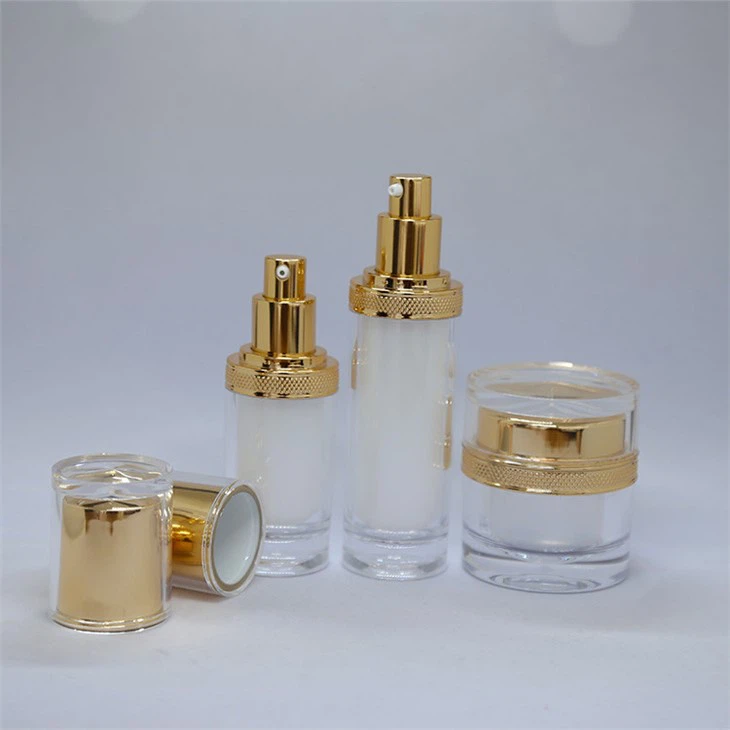
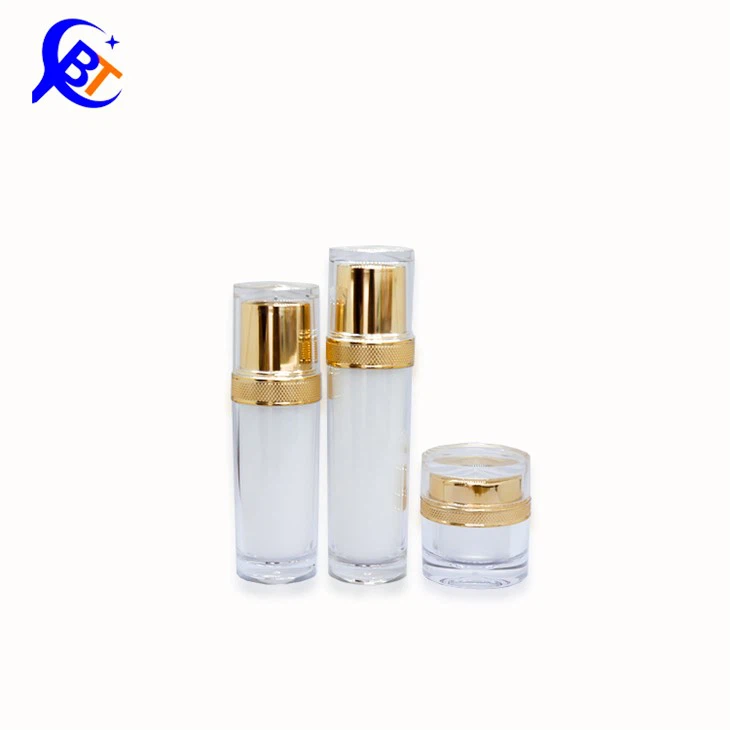
On the other hand, airless cosmetic bottles have a more complex structure. They are designed to prevent air from entering the container. Most airless bottles use a piston or a diaphragm mechanism. When the pump is pressed, the piston moves up, pushing the product out through the nozzle. As the product is dispensed, no air is allowed to enter the bottle, maintaining a vacuum - like environment inside. This design ensures that the product remains fresh and uncontaminated for a longer period. For instance, Refillable Airless Pump Bottles And Jars are a great example of this advanced design, offering both functionality and sustainability.
Product Preservation
One of the most significant differences between airless and non - airless cosmetic bottles lies in their ability to preserve the product. Non - airless bottles expose the product to air, light, and bacteria every time they are opened. Oxygen in the air can cause oxidation of the cosmetic ingredients, leading to changes in color, texture, and smell. For example, natural oils in a moisturizer can turn rancid when exposed to air for an extended period. Light can also degrade certain active ingredients, such as vitamins and antioxidants, reducing their effectiveness.
Airless bottles, however, provide a much higher level of protection. By preventing air from entering the container, they slow down the oxidation process. This means that the product's color, texture, and smell remain stable for a longer time. Additionally, the reduced exposure to bacteria helps to maintain the product's safety and efficacy. Cosmetics stored in airless bottles can retain their original properties for up to two years or more, depending on the formulation. Airless Twist Up Pump Serum Acrylic Bottles are specifically designed to protect high - end serums, which often contain sensitive and expensive ingredients.
Dispensing Efficiency
Non - airless bottles may have some issues with dispensing efficiency. In a traditional pump bottle, it can be difficult to dispense the last bit of product. As the product level decreases, air may enter the pump mechanism, causing it to sputter or stop working altogether. This can lead to product waste, as consumers often have to cut open the bottle to access the remaining product.
Airless bottles are designed to address these problems. The piston or diaphragm mechanism ensures that the product is dispensed evenly from start to finish. There is no need to worry about air entering the pump and disrupting the dispensing process. This not only provides a better user experience but also reduces product waste. Consumers can use up every drop of the product, getting the full value for their money.
Cost Considerations
Non - airless bottles are generally more cost - effective in terms of manufacturing. Their simple design requires fewer materials and less complex production processes. This makes them a popular choice for budget - friendly cosmetic brands or products with a short shelf - life. For example, some drugstore - brand lip balms and basic moisturizers are often packaged in non - airless tubes or jars.
Airless bottles, on the other hand, are more expensive to produce due to their complex design and advanced technology. The materials used in airless bottles, such as high - quality plastics or glass, also contribute to the higher cost. However, the benefits of product preservation and dispensing efficiency can justify the higher price for premium cosmetic brands. These brands are willing to invest in airless packaging to protect their high - end products and enhance the perceived value of their brand.
Aesthetic Appeal
Non - airless bottles offer a wide range of aesthetic options. They can be made from various materials, including glass, plastic, and metal, each with its own unique look and feel. Glass bottles, for example, give a luxurious and high - end appearance, while plastic bottles can be molded into fun and colorful shapes. The simplicity of the design also allows for easy customization, such as adding labels, embossing, or printing.
Airless bottles also have their own aesthetic charm. Their modern and sleek design gives a high - tech and sophisticated look. The smooth surface and clean lines of airless bottles can enhance the overall presentation of the product. Moreover, the transparency of some airless bottles, such as Acrylic Cosmetic Empty Pump Bottles, allows consumers to see the product inside, which can be an added selling point.
Sustainability
In recent years, sustainability has become an important consideration in the cosmetic industry. Non - airless bottles can be made from recyclable materials, such as glass and some plastics. However, their design may not be as conducive to refilling. Once the product is used up, the bottle is often discarded.
Airless bottles are making strides in sustainability. Many airless bottles, like the refillable ones mentioned earlier, are designed to be reused. This reduces the amount of waste generated by the cosmetic industry. By simply refilling the bottle with a new product, consumers can significantly reduce their environmental impact.
Conclusion
In summary, the differences between airless and non - airless cosmetic bottles are significant. Non - airless bottles are simple, cost - effective, and offer a wide range of aesthetic options, but they may not provide the best product preservation or dispensing efficiency. Airless bottles, on the other hand, are more complex and expensive, but they offer superior product protection, efficient dispensing, and a modern aesthetic. They also have the potential to be more sustainable.
If you are a cosmetic brand looking for the perfect packaging solution, it's important to consider your product's characteristics, target market, and brand image. Whether you choose airless or non - airless bottles, the right packaging can make a big difference in the success of your product.
If you are interested in exploring our range of airless cosmetic bottles for your brand, I encourage you to reach out to us for a detailed discussion. We can provide you with samples, discuss customization options, and help you find the best packaging solution for your products.
References
- Cosmetics Packaging Handbook, various authors
- Journal of Cosmetic Science, multiple issues related to packaging and product preservation
- Industry reports on cosmetic packaging trends
Send Inquiry