

Do cosmetic plastic bottles react with certain ingredients in cosmetics?
Nov 27, 2025
Leave a message
Do cosmetic plastic bottles react with certain ingredients in cosmetics?
As a supplier of cosmetic plastic bottles, I often encounter questions from customers about the compatibility between our plastic bottles and the various ingredients in cosmetics. This is a crucial concern, as any reaction between the bottle and the cosmetic product can potentially affect the quality, safety, and efficacy of the cosmetics. In this blog post, I will delve into this topic and provide a comprehensive analysis based on scientific knowledge and industry experience.
Understanding the Materials of Cosmetic Plastic Bottles
Cosmetic plastic bottles are typically made from a variety of polymers, each with its own unique properties. The most common types of plastics used in the cosmetic industry include polyethylene (PE), polypropylene (PP), polyethylene terephthalate (PET), and polyvinyl chloride (PVC).
PE is known for its flexibility, chemical resistance, and low cost. It is often used for squeeze bottles and tubes. PP is rigid, has good heat resistance, and is suitable for containers that need to withstand high temperatures during the filling process. PET is transparent, lightweight, and has excellent barrier properties against oxygen and moisture, making it ideal for products that require a long shelf - life. PVC, although less commonly used due to environmental concerns, can be used in some cosmetic packaging due to its clarity and ease of processing.
Factors Affecting the Reaction between Plastic Bottles and Cosmetic Ingredients
Several factors can influence whether a plastic bottle will react with the ingredients in cosmetics.
Chemical Composition of Cosmetic Ingredients
Cosmetics contain a wide range of ingredients, including solvents, preservatives, fragrances, and active ingredients. Some solvents, such as alcohol, can have a swelling or dissolving effect on certain plastics. For example, high - concentration alcohol in a cosmetic product may cause some types of soft plastics to become brittle or lose their shape over time. Preservatives, especially those with strong oxidizing or reducing properties, can also interact with the plastic surface. Fragrances often contain volatile organic compounds (VOCs), which may penetrate the plastic and cause it to emit an unpleasant odor or change its appearance. Active ingredients, such as acids and bases, can react with the plastic depending on their concentration and pH level.
Temperature and Storage Conditions
Temperature plays a significant role in the interaction between plastic bottles and cosmetic ingredients. Higher temperatures can accelerate chemical reactions. For instance, if a cosmetic product containing alcohol is stored in a plastic bottle at a high temperature, the rate of alcohol - plastic interaction may increase, leading to a more rapid deterioration of the bottle and the product. Exposure to sunlight and humidity can also affect the stability of the plastic and the ingredients. UV rays can break down the polymer chains in the plastic, making it more susceptible to chemical reactions.
Contact Time
The longer a cosmetic product is in contact with the plastic bottle, the greater the chance of a reaction occurring. Over time, even a mild interaction can accumulate and cause visible changes in the bottle or the product. This is why it is important to consider the expected shelf - life of the cosmetic product when choosing the appropriate plastic bottle.
Examples of Reactions between Plastic Bottles and Cosmetic Ingredients
Let's take a closer look at some specific examples of how plastic bottles can react with certain cosmetic ingredients.
Alcohol - based Products
Many cosmetic products, such as toners and makeup setting sprays, contain alcohol. When stored in a plastic bottle, alcohol can gradually dissolve small amounts of the plastic, especially if the plastic is not alcohol - resistant. This can lead to the formation of micro - particles in the product, which may be visible as a haze or sediment. For example, a Empty Makeup Spray Bottle made from a low - quality plastic may start to show signs of degradation when filled with an alcohol - based makeup setting spray over time.
Acidic or Basic Ingredients
Acidic ingredients, such as alpha - hydroxy acids (AHAs) and beta - hydroxy acids (BHAs), are commonly used in skin - care products for exfoliation. These acids can react with the plastic if the pH is too low. For example, a facial treatment product with a high concentration of AHAs stored in a plastic bottle may cause the plastic to discolor or become brittle. On the other hand, basic ingredients, like sodium hydroxide used in some hair - care products, can also have a corrosive effect on certain plastics.
Essential Oils
Essential oils are often used in cosmetics for their fragrance and therapeutic properties. However, they can be quite reactive with plastics. Some essential oils, such as citrus oils, contain limonene, which is a powerful solvent. When stored in a plastic bottle, limonene can cause the plastic to swell and lose its integrity. A Moisturizing Spray Bottle filled with a moisturizing spray containing citrus essential oils may experience this type of reaction if the plastic is not resistant to essential oils.
How to Choose the Right Plastic Bottle to Avoid Reactions
As a supplier of cosmetic plastic bottles, we take several steps to ensure that our bottles are compatible with a wide range of cosmetic ingredients.
Material Selection
We carefully select the plastic materials based on the expected composition of the cosmetic product. For alcohol - based products, we recommend using high - density polyethylene (HDPE) or polypropylene, which have good alcohol resistance. For products with acidic or basic ingredients, we choose plastics that are chemically stable in a wide pH range.
Testing
Before supplying our plastic bottles to customers, we conduct extensive testing. We simulate different storage conditions, including temperature, humidity, and contact time, to ensure that the bottles can withstand the interaction with the cosmetic ingredients. We also test the bottles for leaching, which is the transfer of substances from the plastic to the product.
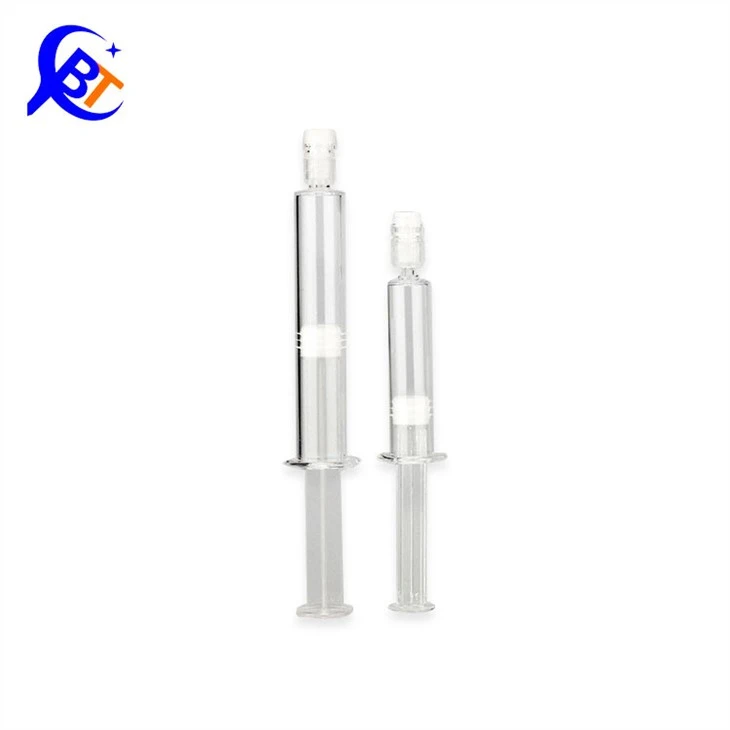

Customization
We offer customized solutions to meet the specific needs of our customers. If a customer has a unique cosmetic formulation, we can work with them to develop a plastic bottle that is specifically designed to be compatible with their product. For example, we can use special coatings or additives to enhance the chemical resistance of the plastic.
Conclusion
In conclusion, cosmetic plastic bottles can react with certain ingredients in cosmetics, but the risk can be minimized through careful material selection, proper testing, and customization. As a supplier, we are committed to providing high - quality plastic bottles that are safe and compatible with a wide range of cosmetic products. Whether you are looking for an Empty Makeup Spray Bottle, a Moisturizing Spray Bottle, or a Facial Treatment Hydrating Shuiguang Needle Bottle, we have the expertise and resources to meet your requirements.
If you are interested in our cosmetic plastic bottles or have any questions about the compatibility between our bottles and your cosmetic products, please feel free to contact us for a procurement discussion. We look forward to working with you to ensure the success of your cosmetic products.
References
- ASTM International. "Standard Test Methods for Evaluating the Compatibility of Plastics with Chemicals."
- Cosmetics Europe. "Guidelines for the Safe Use of Cosmetic Ingredients."
- Plastics Industry Association. "Properties and Applications of Common Plastic Polymers."
Send Inquiry