

Are there any health risks associated with cosmetic plastic bottles?
Dec 08, 2025
Leave a message
Hey there! As a supplier of cosmetic plastic bottles, I often get asked about the potential health risks associated with these containers. It's a valid concern, especially when we're talking about products that come into direct contact with our skin. So, let's dive right in and explore this topic.
First off, it's important to understand that not all plastic bottles are created equal. There are different types of plastics used in the cosmetic industry, and each has its own set of characteristics and potential risks. The most common plastics used for cosmetic bottles include polyethylene terephthalate (PET), high-density polyethylene (HDPE), polypropylene (PP), and polyvinyl chloride (PVC).
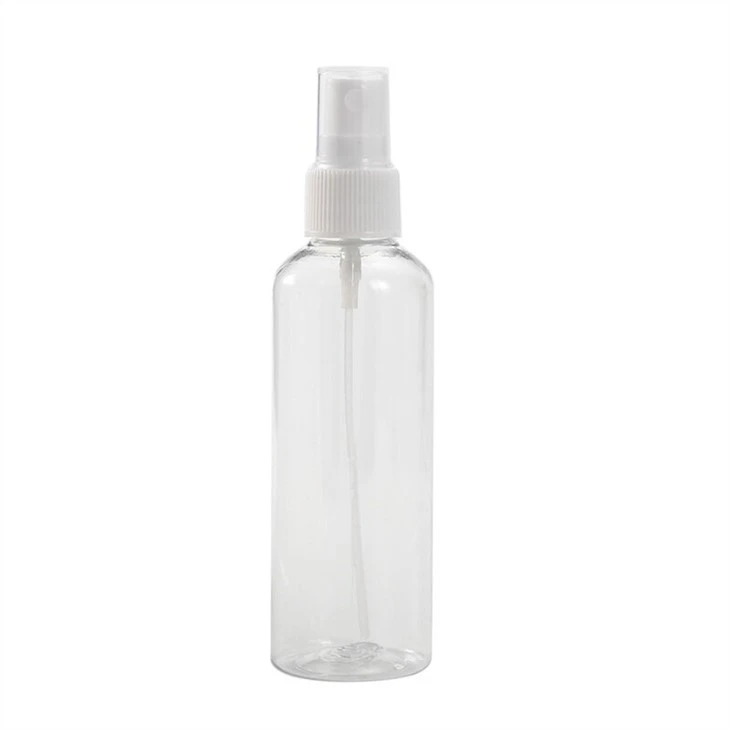
PET is one of the most widely used plastics for cosmetic packaging. It's lightweight, clear, and has good barrier properties, which means it can help keep the product inside fresh and protected. In general, PET is considered safe for use in cosmetic bottles. It's non-toxic and doesn't leach harmful chemicals into the product. However, like any plastic, it can break down over time, especially when exposed to heat, sunlight, or certain chemicals. This can potentially release small amounts of chemicals into the product, although the levels are usually very low and not considered a significant health risk.
HDPE is another popular choice for cosmetic bottles. It's a strong, durable plastic that's resistant to moisture and chemicals. HDPE is also considered safe for use in cosmetic packaging. It's non-toxic and doesn't leach harmful chemicals into the product. However, it's not as clear as PET, so it's often used for opaque or semi-opaque bottles.
PP is a lightweight, flexible plastic that's commonly used for squeeze bottles and caps. It's resistant to heat and chemicals and has good barrier properties. PP is also considered safe for use in cosmetic packaging. It's non-toxic and doesn't leach harmful chemicals into the product. However, like PET and HDPE, it can break down over time, especially when exposed to heat, sunlight, or certain chemicals.
PVC is a less common plastic used for cosmetic bottles. It's a strong, rigid plastic that's often used for bottles with a glossy finish. However, PVC is known to contain phthalates, which are a group of chemicals that have been linked to a variety of health problems, including reproductive and developmental issues. For this reason, many cosmetic companies have stopped using PVC in their packaging.
So, what does all this mean for you as a consumer? Well, in general, the risk of health problems from using cosmetic plastic bottles is very low. Most cosmetic companies use high-quality plastics that are tested and approved for use in cosmetic packaging. However, if you're concerned about the potential health risks of plastic bottles, there are a few things you can do.
First, look for products that are packaged in glass or metal containers. These materials are generally considered to be safer than plastic because they don't leach chemicals into the product. However, they can be more expensive and heavier than plastic bottles, so they may not be practical for all products.
Second, choose products that are packaged in PET, HDPE, or PP bottles. These plastics are considered to be the safest options for cosmetic packaging. Avoid products that are packaged in PVC bottles, especially if you're pregnant or have young children.
Third, store your cosmetic products in a cool, dry place away from direct sunlight. This can help prevent the plastic from breaking down and releasing chemicals into the product.
As a supplier of cosmetic plastic bottles, I'm committed to providing high-quality, safe packaging solutions for my customers. I work with manufacturers who use the latest technology and materials to ensure that our bottles meet the highest standards of quality and safety. We also offer a wide range of products, including Moisturizing Spray Bottle, Small Plastic Makeup Containers, and Hyaluronic Acid Liquid Shuiguang Needle.
If you're in the market for cosmetic plastic bottles, I'd love to hear from you. Whether you're a small startup or a large cosmetic company, I can help you find the right packaging solution for your needs. Just reach out to me, and we can discuss your options and get started on your order.
In conclusion, while there are some potential health risks associated with cosmetic plastic bottles, the risk is generally very low. By choosing high-quality plastics, storing your products properly, and being aware of the potential risks, you can minimize your exposure to harmful chemicals. And if you're looking for a reliable supplier of cosmetic plastic bottles, I'm here to help.

References:
- American Chemistry Council. (n.d.). Plastic Resin Identification Codes. Retrieved from https://www.americanchemistry.com/plastic-resin-identification-codes
- Centers for Disease Control and Prevention. (n.d.). Phthalates. Retrieved from https://www.cdc.gov/biomonitoring/Phthalates_FactSheet.html
- Food and Drug Administration. (n.d.). Cosmetic Packaging. Retrieved from https://www.fda.gov/cosmetics/cosmetic-products/cosmetic-packaging
Send Inquiry