

Are cosmetic plastic bottles heat - resistant?
Oct 15, 2026
Leave a message
Are cosmetic plastic bottles heat - resistant?
As a supplier of cosmetic plastic bottles, I often encounter questions from customers regarding the heat - resistance of our products. This is a crucial concern as cosmetics are used and stored in various environments, and the integrity of the packaging can be affected by temperature changes.
Types of Plastic Used in Cosmetic Bottles
Cosmetic plastic bottles are typically made from different types of plastics, each with its own heat - resistance characteristics. The most common plastics used in our industry are PET (Polyethylene Terephthalate), HDPE (High - Density Polyethylene), and PP (Polypropylene).
PET is widely used for its clarity, lightweight, and recyclability. It is commonly found in bottles for lotions, serums, and some makeup products. However, PET has a relatively low heat - resistance. The melting point of PET is around 250 - 260°C, but it starts to deform at much lower temperatures. Generally, it can withstand temperatures up to about 60 - 70°C before significant changes in shape occur. For example, our 200ml Cosmetic Pet Bottle is made of PET. If exposed to high - heat conditions such as direct sunlight in a hot car, the bottle may warp, which could lead to leakage or affect the aesthetic appeal of the product.
HDPE is known for its durability and chemical resistance. It is often used for bottles of shampoos, conditioners, and some creams. HDPE has a higher heat - resistance compared to PET. It has a melting point around 120 - 130°C and can usually withstand temperatures up to 80 - 90°C without significant deformation. This makes it a better choice for products that might be exposed to moderately warmer environments.
PP is another popular plastic for cosmetic bottles. It has excellent heat - resistance with a melting point of about 160 - 170°C. PP can tolerate higher temperatures, often up to 100 - 120°C, making it suitable for products that may need to be sterilized or are likely to be in warmer storage conditions.

Impact of Heat on Cosmetic Products and Bottles
Exposure to high temperatures can have several negative effects on both the cosmetic product and the plastic bottle.
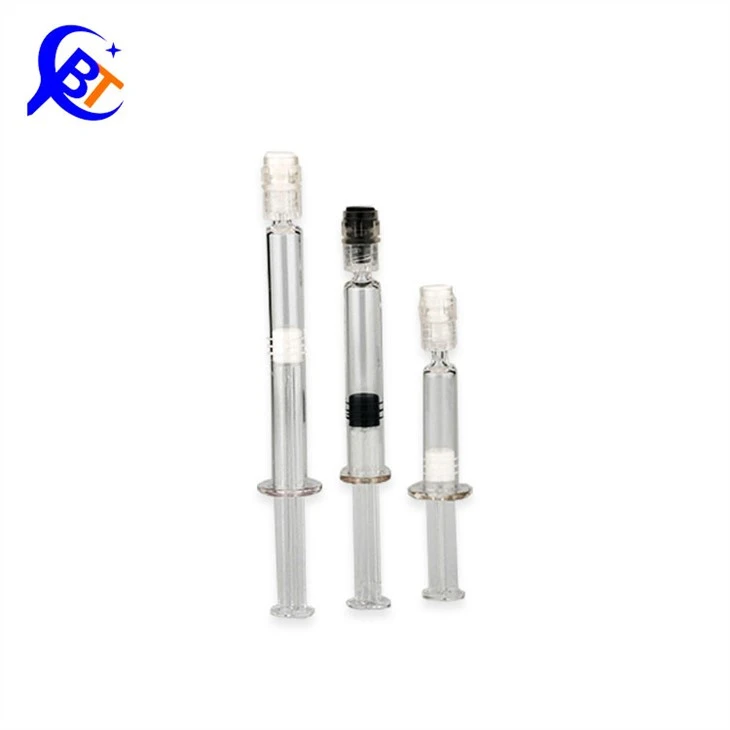
For the product, heat can cause chemical reactions. Many cosmetic formulations are sensitive to temperature changes. The active ingredients in creams, serums, and lotions can break down when exposed to high heat. For instance, hyaluronic acid, a common ingredient in many skincare products, can lose its effectiveness when heated. Our Hyaluronic Acid Liquid Shuiguang Needle Bottle is designed to protect the hyaluronic acid inside. But if the bottle is placed in a very hot environment, the hyaluronic acid may degrade, reducing the product's quality.
On the bottle side, as mentioned earlier, heat can cause deformation. Deformed bottles not only look unappealing but can also lead to leakage. If the bottle's shape changes, the seal may be compromised, allowing air to enter and potentially contaminate the product. Moreover, in some cases, the plastic may release harmful substances when heated. Although the plastics used in cosmetic packaging are generally considered safe, extreme heat can cause chemical leaching. For example, some additives in the plastic may be released into the cosmetic product, which could pose a risk to the consumer's health.
Testing and Quality Assurance
At our company, we conduct rigorous testing to ensure the heat - resistance of our cosmetic plastic bottles. We use specialized equipment to simulate different temperature conditions. For each batch of bottles, we expose a sample to a range of temperatures for a specified period. We check for any signs of deformation, such as changes in the bottle's dimensions, warping, or cracking.
We also test the impact of heat on the product inside the bottle. We fill the bottles with a representative cosmetic formulation and subject them to heat stress. After the test, we analyze the product to see if there are any changes in its physical and chemical properties. This comprehensive testing process helps us to guarantee that our bottles can withstand normal environmental conditions and maintain the quality of the cosmetic products.
Recommendations for Customers
To ensure the longevity and quality of both the cosmetic product and the plastic bottle, we recommend the following:
- Storage: Store cosmetic products in a cool, dry place away from direct sunlight. Avoid leaving them in a hot car, near radiators, or in other high - heat areas.
- Transportation: During transportation, take precautions to prevent exposure to extreme temperatures. If possible, use insulated containers or shipping methods that can maintain a stable temperature.
- Product Selection: Consider the heat - resistance of the plastic when choosing a cosmetic bottle. If you expect the product to be in a warmer environment, opt for bottles made of HDPE or PP rather than PET. For example, our 10ml Hydrating ShuiGuang Needle Bottle comes in different plastic materials, and you can choose the most suitable one based on your needs.
Conclusion
In conclusion, the heat - resistance of cosmetic plastic bottles depends on the type of plastic used. While some plastics like PET have lower heat - resistance, others such as HDPE and PP can withstand higher temperatures. As a supplier, we are committed to providing high - quality bottles that can protect the cosmetic products under normal conditions. However, customers also play an important role in ensuring the integrity of the products by following proper storage and transportation guidelines.
If you are interested in our cosmetic plastic bottles or have any questions about their heat - resistance or other properties, please feel free to contact us for further discussion and potential procurement. We are always ready to offer you the best solutions for your cosmetic packaging needs.
References
- "Plastics in Packaging: Properties and Performance" by Rosato, Dominick V., and Rosato, David V.
- Journal of Cosmetic Science research on the impact of temperature on cosmetic formulations.
Send Inquiry